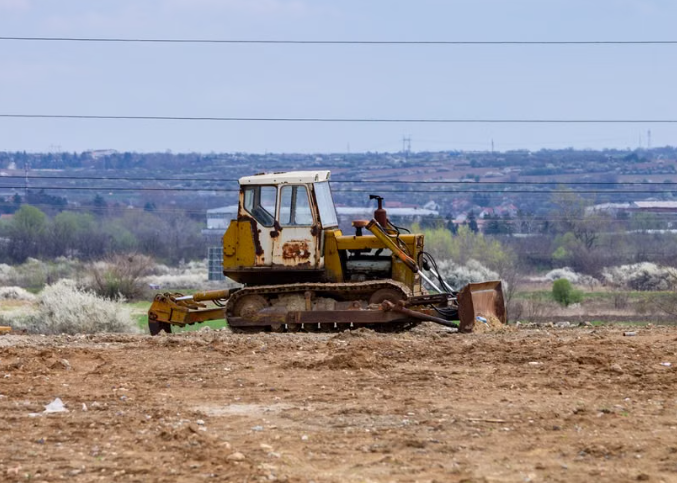
What Happens During the Site Preparation Process?
What Happens During the Site Preparation Process?
Before construction can begin, a property often requires careful preparation to create a suitable foundation for the work ahead. Whether you're planning a new home, commercial building, driveway, utility installation, or another construction project, proper site preparation can play an important role in the safety, efficiency, and long-term performance of the finished project.
Site preparation can involve everything from clearing vegetation and removing unwanted structures to excavation, grading, and preparing the soil. While the exact process varies depending on the property and proposed construction, understanding the basic steps can help you know what to expect.
Step 1: Evaluating the Construction Site
Site preparation typically begins with an evaluation of the property. Contractors need to understand the existing conditions and identify potential challenges before heavy equipment arrives and substantial work begins.
Depending on the project, considerations may include the property's terrain, soil conditions, drainage, existing structures, vegetation, accessibility, and planned construction area. Property boundaries, utility locations, permits, engineering requirements, and other project specifications may also need to be reviewed.
A thorough evaluation helps contractors determine what equipment, materials, and preparation methods will be necessary.
Step 2: Clearing the Property
Once the site has been evaluated and the necessary plans are in place, clearing can begin. The amount of clearing required depends heavily on the existing condition of the property.
Site clearing may involve removing:
- Trees and brush
- Stumps and roots
- Rocks and debris
- Unwanted landscaping
- Old fencing
- Existing pavement
- Other obstacles within the construction area
Clearing creates the necessary working space for excavation equipment and helps prepare the property for subsequent stages of the project.
Step 3: Demolishing Existing Structures
Some construction sites contain buildings, concrete slabs, sheds, foundations, or other structures that must be removed before new construction can begin. Professional demolition services may be incorporated into the site preparation process to eliminate these obstacles.
Contractors can demolish the appropriate structures, remove the resulting debris, and prepare the area for future construction. Careful planning is especially important when demolition takes place near structures, utilities, roads, or other features that need to remain intact.
Step 4: Excavating the Site
Excavation involves removing and relocating soil to create the dimensions and elevations required for construction. Depending on the project, contractors may excavate for building foundations, basements, utility lines, drainage systems, roads, driveways, and other features.
Excavation requirements can vary considerably from one project to another. The depth of excavation, soil composition, property layout, and construction plans can all influence how the work is completed.
Step 5: Grading and Establishing Proper Drainage
After excavation, contractors may grade the site to establish the appropriate elevations and slopes. Grading involves shaping and leveling the land according to the project's requirements.
Proper grading is particularly important for drainage. Water that consistently collects around a foundation, parking area, roadway, or other improvement can contribute to erosion and other property concerns. Establishing suitable slopes helps direct water toward appropriate drainage areas and away from locations where it could cause problems.
Step 6: Preparing and Compacting the Soil
The ground beneath a structure, driveway, parking lot, or other improvement needs to provide suitable support. Once the site reaches the appropriate grade, soil preparation and compaction may be necessary.
Compaction increases soil density and helps create a more stable surface for subsequent construction. Insufficiently prepared soil may settle or shift over time, potentially affecting the improvements constructed above it.
Depending on site conditions and project specifications, unsuitable soil may need to be removed and replaced with appropriate fill material.
Step 7: Preparing for Utilities
Many construction projects require underground utilities, which can include:
- Water lines
- Sewer lines
- Drainage systems
- Electrical service
- Gas lines
- Communication lines
Trenches may need to be excavated and utility routes established before foundations, pavement, or other permanent improvements are installed. Coordinating this work during site preparation can help prevent the need to disturb completed portions of the project later.
Step 8: Completing the Final Site Preparation
Before construction progresses, contractors can complete a final assessment of the prepared area. Elevations, drainage, compaction, access points, and other relevant conditions may be checked against project plans and specifications.
Additional grading, fill placement, or adjustments may be completed when necessary. Once the property has been properly prepared, foundation work, concrete installation, paving, utility construction, or other planned improvements can move forward.
Contact Our Team to Request Reliable Site Preparation Services
If you're planning an upcoming residential, commercial, or industrial project, consider working with an experienced site preparation contractor. Contact the team at Roberto’s Backhoe Service, Inc. to get started! For years, our team has continued to provide support across the Midland and Odessa, TX areas. When it comes to site preparation, we can just about do it all!